Embark on a journey across continents to explore the modern marvels that define human creativity, vision, and resilience
This is the second in our four-part series exploring the various iterations of the Seven Wonders of the World, following last month’s look at the ancient wonders that shaped our earliest understanding of greatness
When we talk about a wonder, we are usually referring to something extraordinary or miraculous. These can be towering monuments of faith, or the breathtaking beauty of ancient cities rediscovered, but the Seven Modern Wonders of the World are the pinnacle of humanity’s continued drive to create, endure, and inspire. These wonders tell stories of civilisations past and present, of artistry and ambition that have transcended time.
In this ongoing series, we continue to explore how humankind has long sought to celebrate its greatest achievements through architecture, engineering, and imagination. In our previous instalment, we delved into the timeless legacy of the ancient wonders, a series of monuments that defined the dawn of civilisation. This time, we step into the modern age, where ancient ingenuity meets contemporary ambition, and where the wonders of today echo the same fascination with beauty, faith, and endurance that captivated our ancestors.
The Modern Wonders of the World
Selected in 2007 through a global poll organised by the New7Wonders Foundation, this bucket list-worthy selection of modern marvels highlighted some of the most eye-catching structures and buildings in the world. They are all cultural and architectural achievements that continue to draw millions of visitors every year, being some of the biggest tourist attractions in their respective cities. They embody resilience and creativity, celebrating monumental craftsmanship and the enduring spirit of humanity.
The Great Wall of China, China
Stretching across mountains, valleys, and deserts for over 21,000 kilometres, the Great Wall of China is one of the most awe-inspiring feats of human endurance ever constructed. Its scale needs to be seen to be believed, and it is truly one of the most impressive sights on our planet. Originally built to protect Chinese states and empires from northern invasions, the wall’s earliest sections date back to the 7th century BCE, with most of the existing structure completed during the Ming Dynasty (1368–1644).
Constructed from stone, brick, tamped earth, and wood, the wall was initially built as a military barrier, but it later came to symbolise unity, strength, and the ambition of an empire that sought to protect and define its boundaries. Today, the Great Wall stands as both a national symbol of China and a global icon of perseverance, weaving through breathtaking landscapes and standing as a reminder of humankind’s will to shape the world.


Petra, Jordan
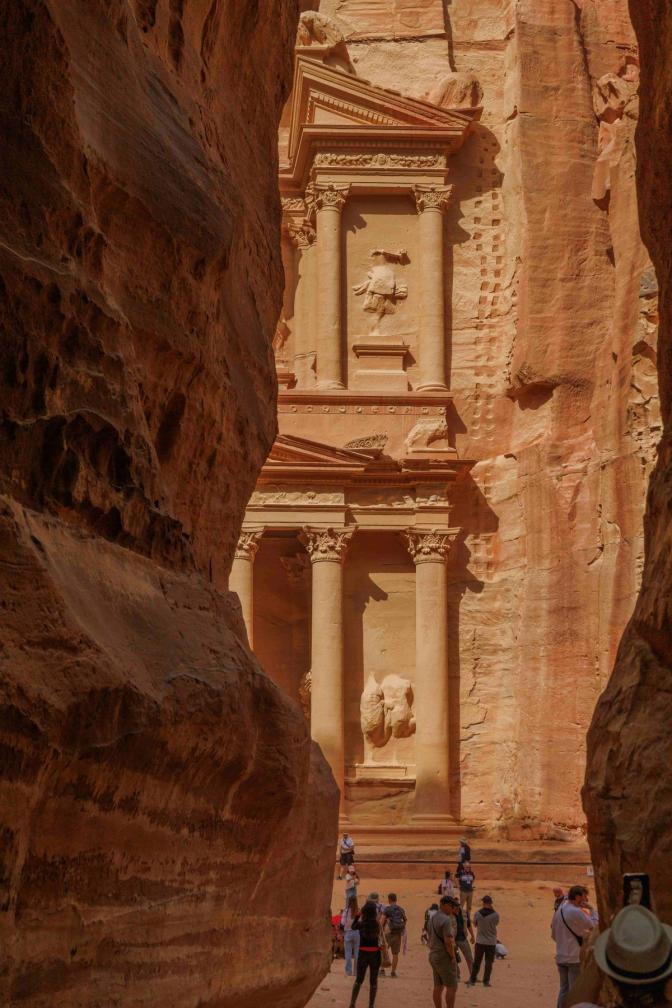
Hidden within the rose-red cliffs of southern Jordan lies Petra, an ancient Nabataean city carved entirely from sandstone. Once a thriving hub of trade and culture along the Silk and Spice Routes, Petra flourished from around the 4th century BCE until it was gradually abandoned after devastating earthquakes and shifting trade paths.
Its most iconic monument, Al-Khazneh (The Treasury), is a masterpiece of rock-cut architecture, with intricate Hellenistic façades that glimmer in the desert light. Lost to the Western world for centuries, Petra was rediscovered in 1812 by Swiss explorer Johann Ludwig Burckhardt and has since become one of the most captivating archaeological sites on Earth. A symbol of mystery, craftsmanship, and timeless beauty, Petra is unlike anything else in the world.

The Colosseum, Italy
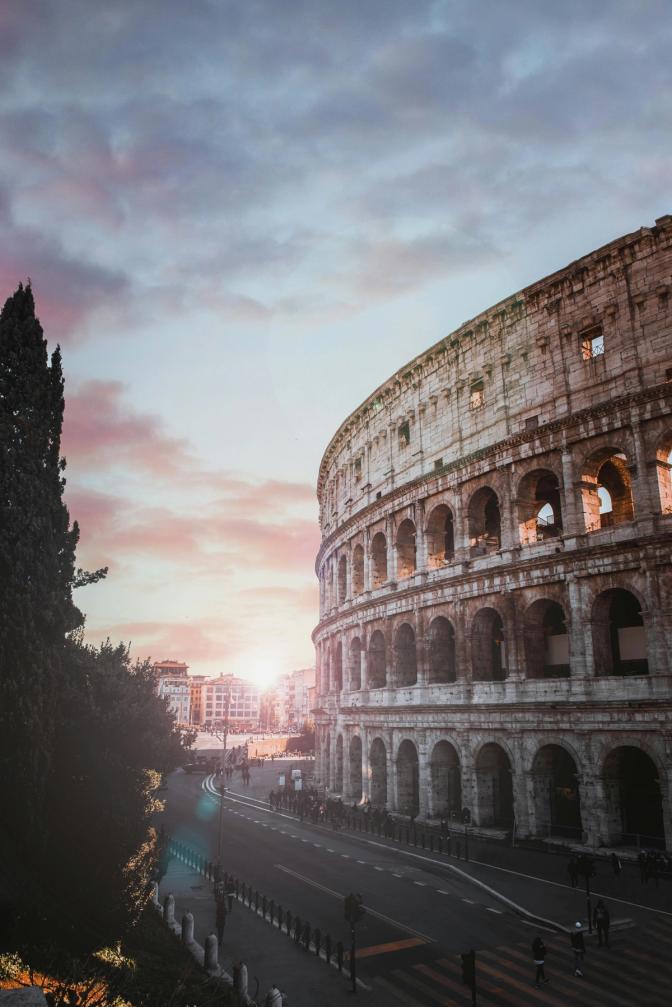
As the city grew and modernised, one thing stayed as a constant in the heart of Rome, the Colosseum. An enduring emblem of the ancient world’s might and spectacle, this mammoth structure is an iconic symbol of Italy. Completed in 80 CE under Emperor Titus, this amphitheatre could seat up to 50,000 spectators and was used for gladiatorial contests, animal hunts, and dramatic performances.
Despite centuries of earthquakes, looting, and neglect, the Colosseum remains remarkably intact, a nod to Roman innovation and architectural genius. Its arches, columns, and tiered seating inspired countless arenas around the world. Today, the relic of violence that it was once has dissipated, leading to it becoming a tribute to endurance, artistry, and the grandeur of a civilisation that shaped the modern world. Not to mention, it’s also been featured in a film or two (Are you not entertained?).

Christ the Redeemer, Brazil
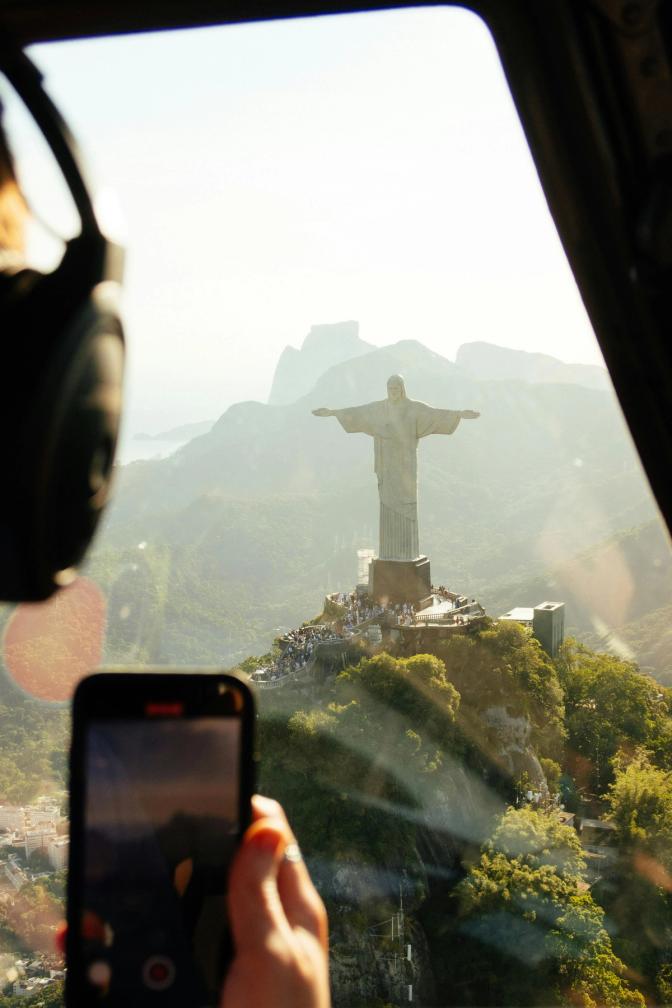
Towering over Rio de Janeiro from the peak of Mount Corcovado, Christ the Redeemer (Cristo Redentor) is one of the most recognisable landmarks in the world. Completed in 1931, the 30-metre-tall Art Deco statue was designed by Brazilian engineer Heitor da Silva Costa and sculpted by French artist Paul Landowski.
Made of reinforced concrete and soapstone, Christ the Redeemer was envisioned as a symbol of peace and faith, its outstretched arms embracing the city below. Beyond its religious significance, it promotes unity, welcoming millions of visitors who are moved by its sheer presence and the stunning panoramic views it commands over Rio’s coastline.

Chichén Itzá, Mexico
Located in Mexico’s Yucatán Peninsula, Chichén Itzá is an ancient Mayan city that thrived between the 9th and 12th centuries CE. At its heart stands El Castillo (the Temple of Kukulcán), a pyramid so precisely designed that during the spring and autumn equinoxes, the setting sun casts the illusion of a serpent slithering down its steps, an incredible demonstration of the Maya’s astronomical and architectural mastery.
Beyond its mathematical perfection, Chichén Itzá served as a powerful religious and political centre, filled with temples, ball courts, and sacred cenotes. Today, it offers an extraordinary glimpse into the beliefs and brilliance of one of the world’s most sophisticated ancient civilisations.


Machu Picchu, Peru
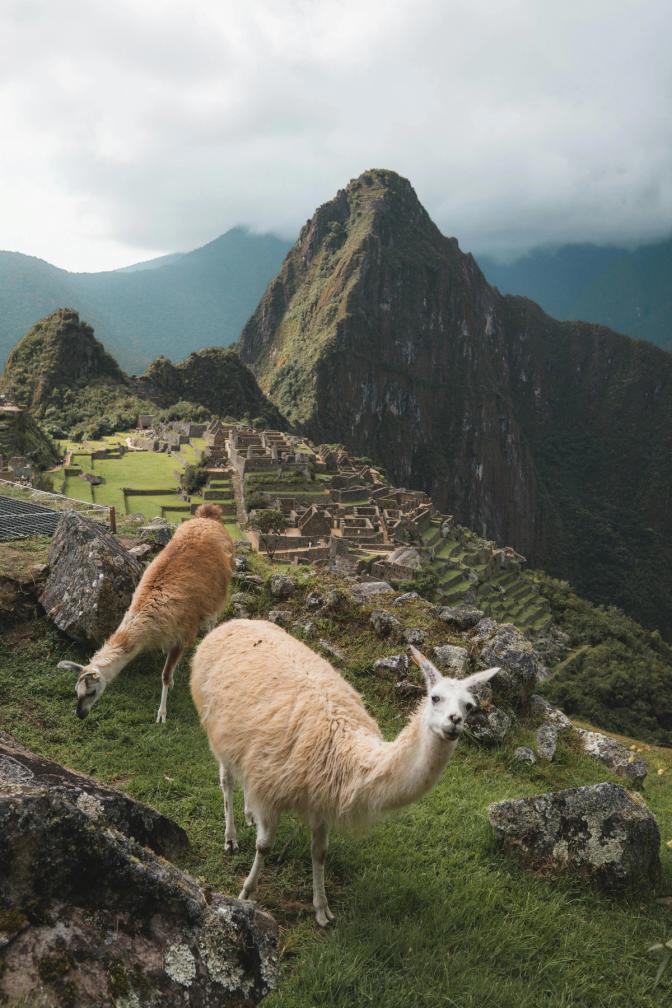
Perched high in the Andes Mountains of Peru, Machu Picchu is an Incan citadel that has captured imaginations since its rediscovery by Hiram Bingham in 1911. Built in the 15th century, likely as a royal estate for Emperor Pachacuti, the site is filled with exceptional stone masonry that fits massive blocks together without the use of mortar.
Surrounded by misty peaks and lush greenery, Machu Picchu is as mystical as it is magnificent. Abandoned during the Spanish conquest and hidden from the outside world for centuries, it remains a profound symbol of exploration and discovery, finding itself top of many people’s bucket lists.

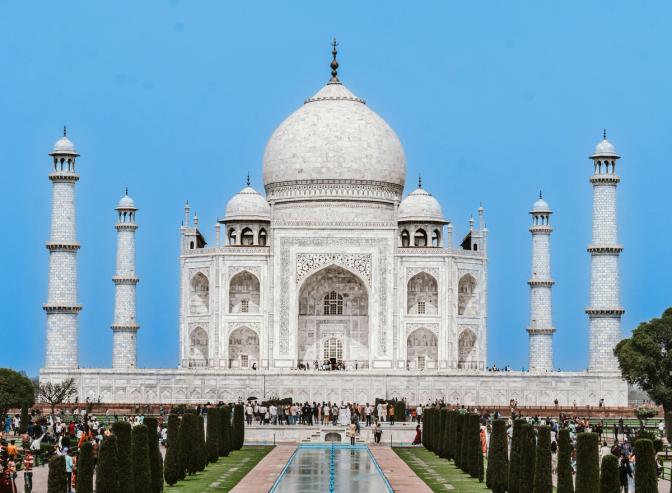
The Taj Mahal, India
A vision in white marble, the Taj Mahal in Agra is one of the most romantic and recognisable monuments ever built. Commissioned by Mughal Emperor Shah Jahan in 1632 as a mausoleum for his beloved wife Mumtaz Mahal, it took more than 20 years and thousands of artisans to complete. Its exquisite symmetry, intricate inlay work, and reflecting pools have made it a masterpiece of Mughal architecture.
Beyond its architectural splendour, the Taj Mahal was built to represent eternal love and devotion. Its luminous dome glows under the Indian sun and moonlight alike, leaving visitors entranced by its ethereal beauty. Recognised universally as a wonder, it continues to inspire poets, artists, and travellers from around the world.

The Legacy of the Modern Wonders
The Seven Modern Wonders of the World speak to human creativity, vision, and resilience. Each one tells a story of civilisation’s progress, the blending of art and engineering, and the desire to leave behind something eternal.
In the next chapter of this four-part series, we’ll look to nature itself, exploring the Seven Natural Wonders of the World, while celebrating the awe-inspiring forces that have shaped our planet and captured the imagination of generations.