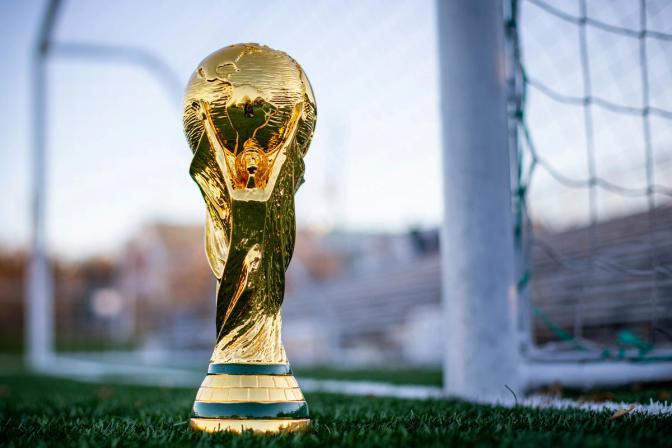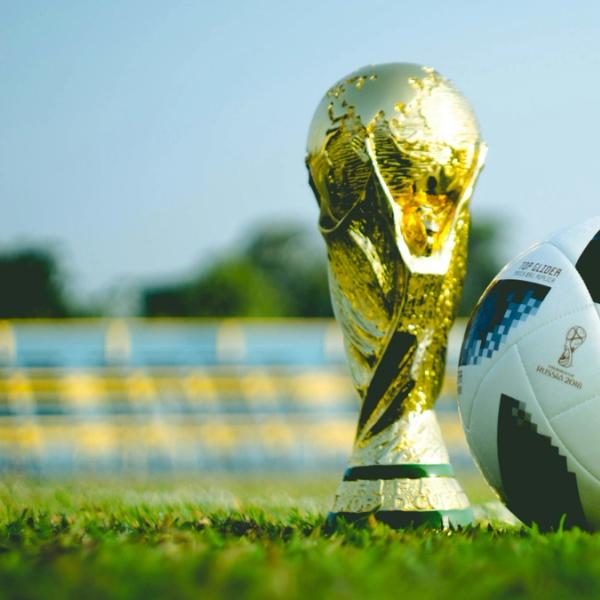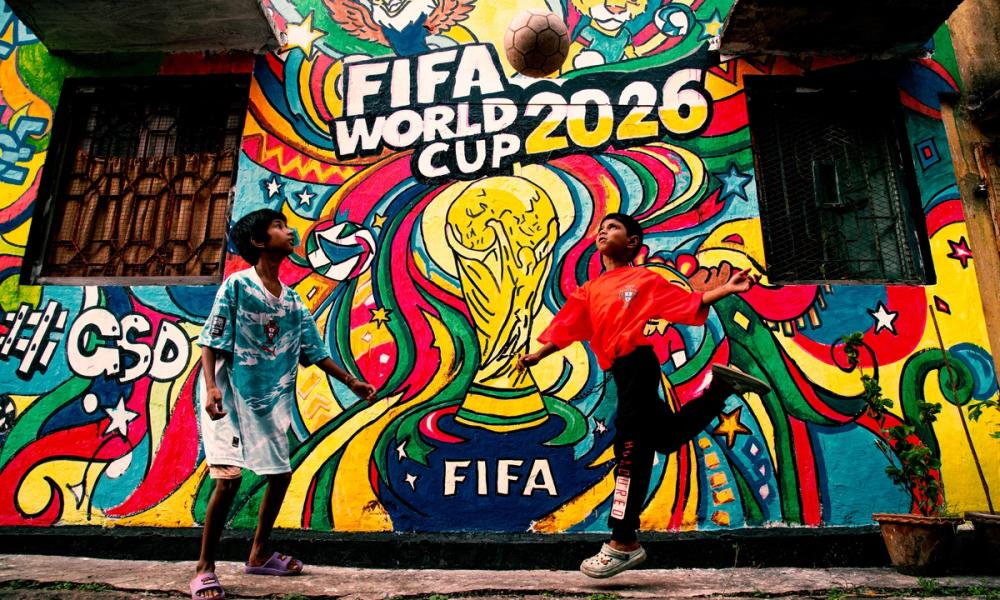
Spain lifted their second FIFA World Cup after defeating Argentina in the final, surprise packages like Cape Verde captured the imagination of supporters worldwide, and the biggest tournament in football history became an entertainment spectacle unlike anything the sport has seen before
When the 2026 FIFA World Cup kicked off across the USA, Canada, and Mexico, expectations were already sky high. With an expanded 48-team format, a record 104 matches, and more commercial investment than ever before, FIFA promised the biggest tournament in history. Six weeks later, it certainly delivered.
Last night (or early this morning for most around the world), Spain were crowned world champions after edging Argentina in a dramatic final, but throughout the tournament, underdogs earned global admiration, established giants stumbled, and billions of supporters once again proved that nothing unites the world quite like football. Yet alongside the unforgettable moments on the pitch, another conversation emerged: has the World Cup evolved from football’s greatest tournament into the world’s greatest entertainment product?
The Magic of the World Cup Never Fades
Ever since Uruguay hosted the inaugural tournament in 1930, the FIFA World Cup has represented the pinnacle of football. Every four years, club rivalries are put aside as nations chase sporting immortality, creating moments that transcend generations.
The competition has seen many awe-inspiring moments, including Pelé's emergence in 1958, Maradona’s brilliance in 1986, Zidane’s dominance in 1998, Spain,s tiki-taka revolution in 2010, and Lionel Messi finally completing football in Qatar four years ago. The World Cup consistently provides memories that become part of sporting history.
That magic remained very much alive in North America. The expanded competition gave more nations the opportunity to compete on the biggest stage, introducing millions of new supporters to the tournament while maintaining the drama, unpredictability, and emotion that have always defined football’s greatest prize.

New Heroes, Familiar Giants, and Emotional Farewells
Spain’s triumph felt like the culmination of a footballing philosophy that has once again reached its peak. Their possession-based approach was married with defensive resilience, youthful energy, and clinical efficiency, eventually defeating defending champions Argentina 1-0 after extra time to secure only the second World Cup in Spanish history. Rodri controlled games from midfield throughout the tournament, Lamine Yamal confirmed himself as one of football’s brightest young stars, while Ferran Torres etched his name into Spanish folklore with the winning goal in the final.
Argentina may have fallen one game short of retaining their crown, but reaching another World Cup final further cemented their place among international football’s modern greats. England continued their recent consistency by finishing third, while France once again reached the latter stages despite ultimately missing out on another final.
Elsewhere, several traditional powerhouses failed to live up to expectations, proving once again that reputation alone guarantees nothing on football’s biggest stage. Meanwhile, some of the tournament’s most memorable stories came from nations experiencing their first taste of World Cup success, showing that the expanded format has genuine sporting merit alongside its commercial benefits.
For several legends, this also felt like the closing chapter. Lionel Messi, Cristiano Ronaldo, Luka Modrić, Guillermo Ochoa, Edin Džeko, and potentially even Harry Kane may all have played at their final World Cups, bringing to an end an era that has dominated international football for nearly two decades. Kylian Mbappé finished as the tournament's Golden Boot winner with ten goals, Rodri deservedly claimed the Golden Ball after orchestrating Spain’s success, while Unai Simón’s consistency earned him the Golden Glove.
The Final Was Bigger Than Football
The final itself perfectly encapsulated what the modern World Cup has become. Before a ball had even been kicked, supporters were treated to an elaborate pre-match production featuring celebrities, entertainment, and a level of pageantry more commonly associated with the Super Bowl than international football. Somewhat controversially, the halftime interval was extended to accommodate a star-studded musical performance, turning what was once a simple break into a global entertainment event watched by hundreds of millions.
Whether that is a positive evolution depends on who you ask. For newer audiences, the added entertainment undoubtedly broadens the tournament’s appeal. For traditional supporters, however, there is an understandable concern that football risks becoming secondary to the spectacle surrounding it.
Even the introduction of regular hydration breaks prompted debate, with critics arguing they increasingly resemble opportunities for broadcasters to maximise advertising inventory rather than purely serving player welfare. Football remains the centrepiece, but the commercial machine surrounding it grows larger with every tournament.
A Marketing Opportunity Unlike Any Other
Few global events offer marketers what the World Cup can. Every match becomes appointment viewing, every goal dominates social media, and every memorable moment is replayed countless times across television, streaming platforms, news outlets, and digital channels. FIFA reported record attendances of more than 6.6 million fans across the tournament before the final, while global television and digital audiences reached into the billions, continuing the World Cup’s status as one of the most-watched events on Earth.
The final itself became one of the year’s biggest media events. Brands know that very few occasions provide simultaneous access to audiences across every continent, every age group, and virtually every consumer market. Through traditional television advertising, digital campaigns, sponsorship activations, influencer partnerships, and social media engagement, the World Cup offers a level of global visibility that almost no other property can match.
The Brands That Won Without Kicking a Ball
Official tournament partners once again demonstrated why World Cup sponsorship remains one of the most valuable investments in global marketing. Coca-Cola continued its decades-long association with FIFA through fan activations and storytelling campaigns centred around togetherness and celebration. Adidas enjoyed another hugely successful tournament, supplying the official match ball while benefiting from Spain’s triumph and the performances of many of the competition’s standout players. Visa maintained a significant presence through payment experiences and fan engagement initiatives, while McDonald’s once again activated family-focused campaigns designed to bring supporters closer to the tournament.
Away from official sponsorships, brands also capitalised brilliantly through agile marketing. Companies that reacted quickly to memorable goals, emotional celebrations, dramatic upsets, and viral moments generated enormous engagement across social media. Increasingly, success during the World Cup is about becoming part of the conversation in real time. Brands capable of producing authentic, entertaining, and culturally relevant content often enjoy far greater reach than those relying solely on expensive television campaigns.
Even premium brands outside football found ways to leverage the tournament. Nespresso continued associating itself with lifestyle and hospitality experiences surrounding matchdays, airlines promoted travel packages throughout North America, technology companies showcased AI-powered fan experiences, while hospitality groups transformed hotels, bars, and restaurants into viewing destinations. The World Cup has evolved into a platform where almost every industry can find an opportunity to connect with consumers.
Normal Service Will Soon Resume
As quickly as it arrived, football’s greatest festival is now over. Attention will soon turn back towards domestic competition, transfer speculation, and another long club season, with the countdown already beginning towards the return of the Premier League. Players will head back to their clubs, supporters will once again argue over league tables rather than national pride, and football’s relentless calendar will continue.

Until We Meet Again
The 2026 FIFA World Cup will be remembered for Spain’s historic triumph, Argentina’s remarkable run to another final, unforgettable breakthrough stories, emotional farewells, and the continued evolution of football as both a sport and an entertainment business. It demonstrated everything that makes the World Cup special while also highlighting the growing commercial forces shaping modern football.
Some will remember Ferran Torres’ winning goal. Others will remember Rodri’s masterclass, Mbappé’s goals, or the emergence of football’s next generation. Marketers will remember record audiences, global engagement, and another reminder that few platforms can unite billions quite like the World Cup.
Whatever your lasting memory may be, football still has the unique ability to stop the world in its tracks. The dust will settle, the club season will begin, and before we know it, the countdown will be on once again.
We’ll see you again in four years.