Curated feeds and AI-generated perfection are all the rage across social media platforms, but the brands building the strongest connections are often the ones willing to show the more intimate details of what goes on behind the scenes
You spent three long weeks on a new social campaign. The lighting was perfect, the copy was sharp, and the edits went through more rounds of revisions than anyone will publicly admit. You posted the first video with quiet confidence and watched as it only brought in 800 views. A marketing nightmare.
Meanwhile, someone on your team grabbed their phone, filmed the kitchen 20 minutes before the dinner rush, and posted it without a second thought. The next morning it had 20,000 views and a comment section full of people saying they had no idea how much work went into a single service.

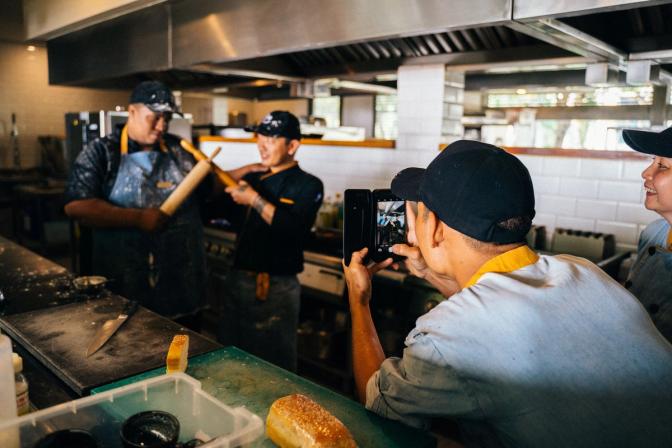
It’s a moment that is equal parts humbling and confusing, but it happens all too often. Across the content creation landscape in UAE and beyond, behind-the-scenes content consistently generates some of the highest engagement across every social platform. Restaurant, hotel, retail brand, or corporate business, it doesn’t matter. Audiences are drawn to content that feels real. The brands seeing the strongest results understand why this type of content works, and they use it with intention.
The Psychology Behind the Pull
At its core, behind-the-scenes content is semi-polished, unscripted content that reveals the people, the culture, and the real workings of a business. It’s the stuff that doesn’t usually make the final edit yet often becomes the most engaging content on the feed. The reason it performs so well comes down to three key psychological drivers.
It provides proof of humanity
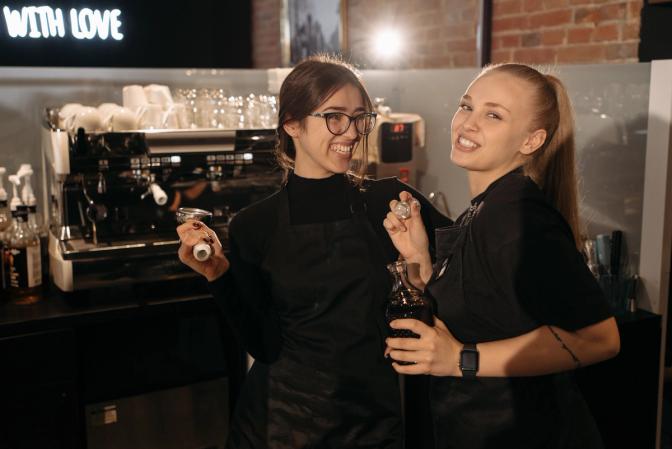
Audiences today are more sceptical than ever, largely because AI-generated imagery has made it harder to distinguish what’s real. Behind-the-scenes content cuts through that scepticism with its rawness. When a brand reveals how something is made, who’s making it, or what went wrong along the way, it closes the gap between brand and human. That distance is where most marketing loses people, and most brands don’t even realise it’s there.

Stories are more powerful than statistics
A statistic informs, whereas a story moves. When people follow a narrative, even a simple one like watching a team prepare for a busy dinner service, or hotel staff set up a guest experience, their brains actually simulate the experience as if it is happening to them, rather than simply processing it as information. This phenomenon is known as neural coupling, and it’s the reason why a real, specific, human story creates a far deeper connection than polished corporate messaging.
It creates a sense of participation
When a brand shows its product development process, shares the real reason it changed something, or simply responds to comments on a post, it tells the audience that they have a direct line in. That perceived participation is one of the most powerful loyalty drivers there is, because people stop feeling like consumers and start feeling like they are part of something. Plus, it turns a comment section into something no paid campaign can replicate: free, honest, real-time feedback from the people you are trying to reach.
What Your Audience Actually Wants to See
Every brand has a story worth telling. The question is knowing which parts of it your audience actually cares about. It’s the kind of question a good social media agency in Dubai would already be asking on your behalf.
The examples of good behind-the-scenes content creation that UAE brands are producing are all intentional. Brands that treat it as filler for a slow content week are not getting the same results as the ones using it as a core part of their strategy. The difference is usually in the preparation that takes place before picking up a camera.
Start with what your audience needs reassurance about. A restaurant guest wants to see that their meal is prepared with care. A hotel guest wants to feel the staff take pride in the details. A luxury consumer wants to understand the craftsmanship and value behind a purchase. That reassurance is the purpose of the content, not to go viral, but to build trust with the people already considering you. It’s one of the main reasons Dubai hospitality brands invest in behind-the-scenes content more than almost any other industry.
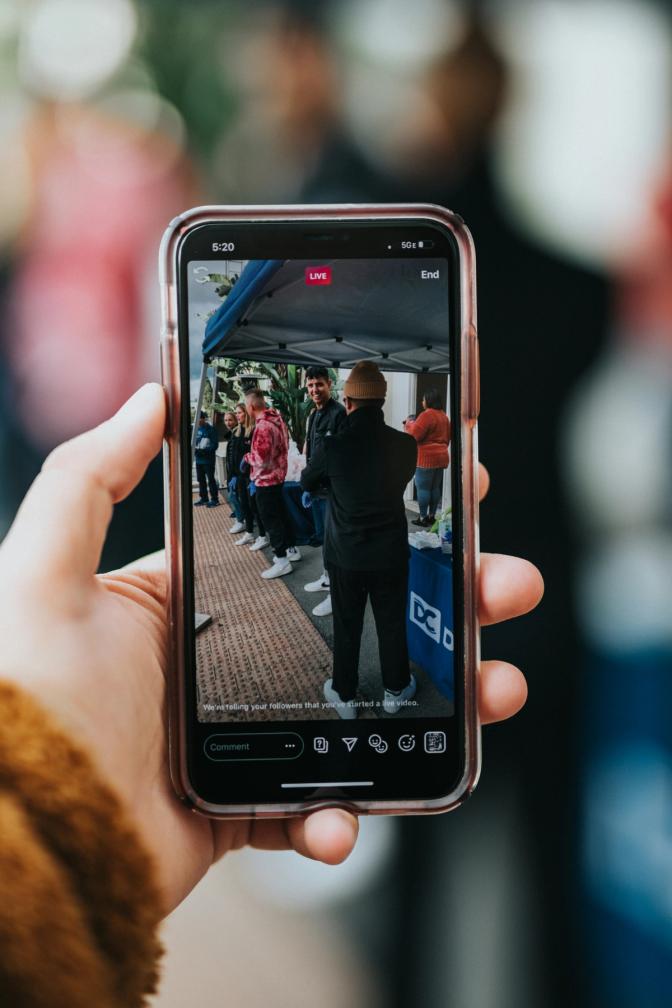
Equally important is showcasing the people behind the brand. If members of your team are willing to be on camera, use them in the actual moments that make up the working day. Real people in real situations are consistently more watchable than any staged alternative.

The Dos and Don’ts Behind Content Creation
Do keep the content short and watchable. 30 to 90 seconds is the sweet spot for social clips.
Do include captions. 85% of short-form video is watched on mute, so if your content only works with sound, it’s only working for a fraction of the people who see it.
Do focus on what makes your process different. Generic behind-the-scenes content builds familiarity, but specific behind-the-scenes content builds a reason to choose you over the competition.
Don’t edit out imperfections. The voiceover fail, the spilt coffee, the moment where everything nearly went wrong, these authentic moments are where the connection happens.
Don’t make it up. Some brands talk about their culture, process, and products in ways that earn trust, only for customers to discover the reality doesn’t match. If you're still refining aspects of the business, that journey itself can be compelling content. Audiences respond to honesty far more than they respond to perfection.
Don’t treat behind-the-scenes content as filler. Audiences can tell when content is posted simply to meet a schedule. Every post should reveal something meaningful about your people, process, or values.

Strategy First, Camera Second
Behind-the-scenes content has an authenticity that traditional marketing can sometimes struggle to replicate. When crafted effectively, it can be more relatable and emotionally resonant for viewers. That said, it’s not there to replace the editorial and brand campaigns, but to run alongside them, offering an additional, unique narrative to your brand. Together, the two elements create a content ecosystem that is both aspirational and relatable.
Those getting this right in hospitality marketing in Dubai and across the wider UAE are not choosing between polished and real. They are building a content strategy that holds both, knowing when each has a role to play and making sure neither is an afterthought.
That balance doesn’t happen by accident. It takes a team that understands the strategy behind the content and possesses the production skills to execute both sides of it effectively. A strong social media agency that Dubai brands can rely on will consider what each piece of content is doing for the brand and how it fits into the bigger picture.
If your feed could use a little help in striking the balance between strategic storytelling and professional production, that’s exactly what we do at Katch.