Over the last few years, social media personalities have become one of the most powerful marketing channels available to brands today, but as the industry matures, new regulations are bringing greater transparency and professionalism to the creator economy
A decade ago, brands looking to build awareness would invest heavily in traditional advertising. Billboards for all manor of businesses dominated major roads, magazine spreads influenced purchasing decisions, and television commercials reached millions of households every evening. Nowadays, the landscape looks very different. Consumers spend more time scrolling through Instagram, watching TikTok videos, and binge-watching YouTube content than they do engaging with many traditional forms of media.
This shift has led many marketers to ask an interesting question; are influencers the modern-day billboards?
At first glance, the comparison makes sense. Influencers place products, destinations, restaurants, hotels, and experiences in front of large audiences every day. Yet unlike traditional advertising, influencer marketing feels far more personal. Audiences actively choose to follow creators, engage with their content, and trust their recommendations. As a result, influencers have evolved into one of the most powerful media channels available to brands, particularly in highly digital markets such as the UAE.

What Is an Influencer?
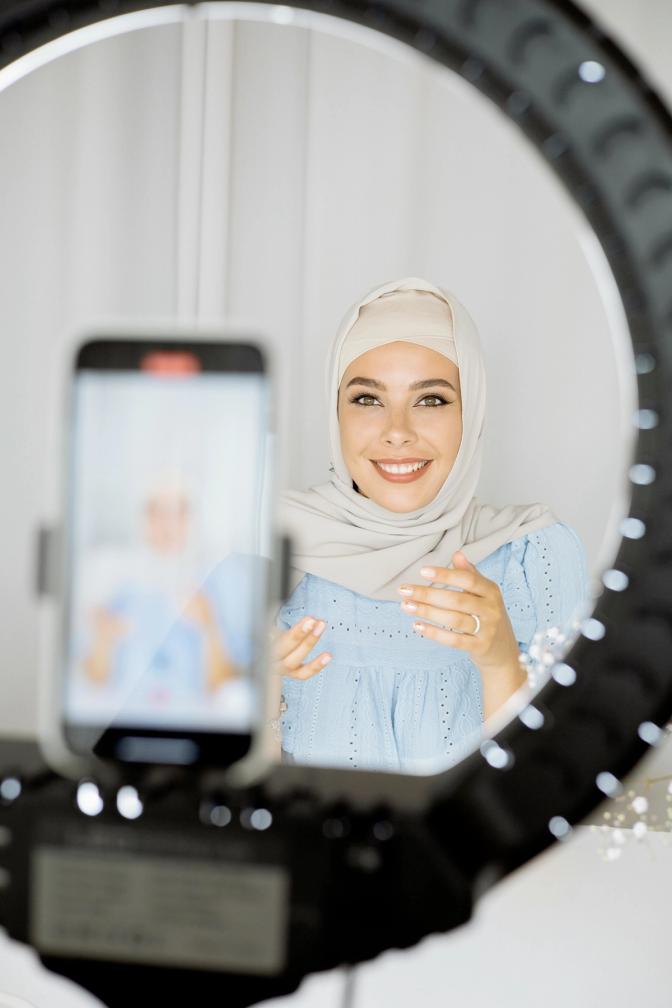
An influencer is an individual who has built a dedicated audience online and has the ability to shape opinions, behaviours, and purchasing decisions through their content. Influencers can operate across a wide range of sectors, including travel, fashion, fitness, beauty, hospitality, technology, food, and business.
Unlike celebrities, whose fame often originates through traditional media, influencers typically build their audiences through content creation. They create videos, photographs, reviews, tutorials, and lifestyle content that resonates with specific communities. Through consistent engagement and authentic storytelling, they develop relationships with followers that can often feel more personal than traditional advertising ever could.
What makes influencers particularly valuable is the trust they cultivate over time. Followers view them as relatable individuals rather than faceless corporations. When an influencer recommends a product, restaurant, hotel, or service, audiences often perceive it as a personal recommendation rather than a sales message.
This trust is why influencer marketing continues to grow at such a remarkable pace. In an era where consumers are increasingly sceptical of traditional advertising, creators have become an important bridge between brands and audiences.

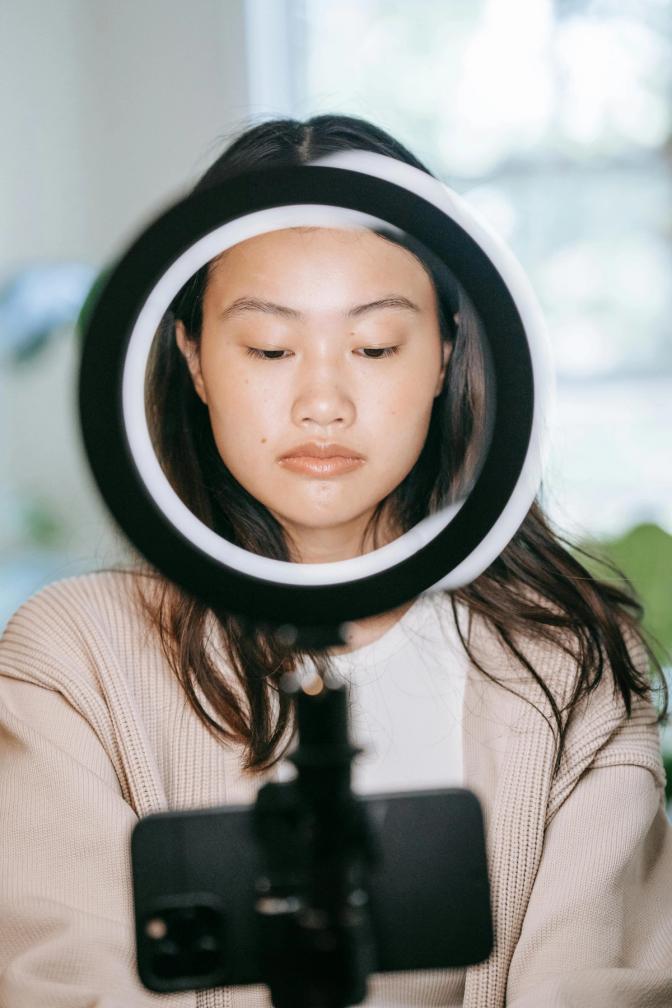
The Rise of Influencers in the Social Media Era
The growth of influencer marketing is directly linked to the rise of social media platforms. As platforms such as Instagram, TikTok, YouTube, Snapchat, LinkedIn, and Facebook became central parts of everyday life, they created opportunities for individuals to build audiences that rivalled traditional media outlets.
Consumers no longer rely solely on television, newspapers, or magazines for information and inspiration. Instead, they discover restaurants through Instagram reels, research products on TikTok, learn new skills on YouTube, and follow lifestyle recommendations through a variety of social channels. Attention has shifted online, and brands have followed.
The creator economy has matured significantly in recent years. Research across Europe shows continued growth among mid-sized and large creators, demonstrating that influencer marketing is becoming increasingly professionalised. Many creators now operate as full-time businesses, producing high-quality content, managing communities, and delivering measurable results for brands.
For businesses working with a social media agency in Dubai, influencer marketing strategies have become an essential component of the broader digital marketing mix. The combination of content creation services, videography, photography, and influencer partnerships in Dubai and across the UAE can create a powerful ecosystem that drives awareness and engagement.
How Do Influencers Make Their Money?
While many people see influencers posting beautiful travel content or attending exclusive events, there is a sophisticated business model operating behind the scenes. Brand partnerships remain one of the most significant sources of revenue for creators.


Companies pay influencers to promote products, services, destinations, restaurants, and experiences to their audiences. Depending on the size of the creator’s audience, engagement rates, and industry niche, these partnerships can range anywhere from a few hundred pounds to tens of thousands per campaign. Many brands also pay additional fees for content usage rights, allowing them to repurpose creator content within their own marketing campaigns.
Influencers also generate income through affiliate marketing, platform advertising revenue, memberships, subscriptions, live-streaming gifts, and product sales. Many creators launch their own businesses, online courses, merchandise collections, newsletters, or digital products.
As the industry evolves, content creation in the UAE has become increasingly sophisticated. Many influencers now operate with professional teams that include videographers, photographers, editors, managers, and agents, transforming what was once considered a hobby into a fully-fledged media business.
Why Influencers Are Valuable for Brands
The real power of influencer marketing lies in authenticity. Consumers are exposed to thousands of advertisements every day, making it increasingly difficult for brands to capture attention. Influencers help overcome this challenge by delivering messages through trusted voices that audiences already follow and engage with.
The most successful partnerships occur when influencers genuinely believe in the products or services they promote. Audiences can quickly identify when a partnership feels forced or transactional. Genuine brand ambassadors create content that feels natural because they already use and appreciate the products they are showcasing.

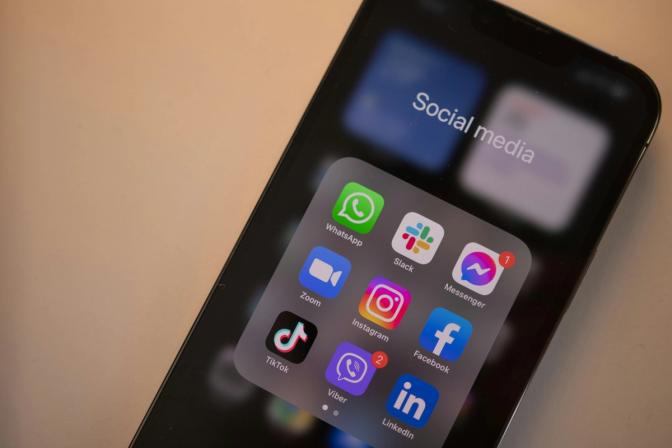
This is particularly important in Dubai in sectors such as hospitality marketing, hotel marketing, and restaurant marketing. Travellers often trust recommendations from creators they follow more than polished advertising campaigns. Seeing someone enjoy a hotel stay, dine at a restaurant, or experience a destination provides a level of credibility that traditional advertising often struggles to achieve.
The emotional connection influencers build with their communities also helps brands foster deeper relationships with consumers. Rather than simply increasing visibility, effective influencer partnerships can influence perception, drive engagement, and ultimately encourage purchasing decisions.
The UAE’s New Influencer Licensing Requirements
As influencer marketing has grown, governments have increasingly recognised the need for regulation. The UAE has introduced significant updates to its media regulations, creating a more structured framework for influencers, content creators, agencies, and brands operating within the market.
Since February 1st, 2026, individuals publishing promotional content online while operating within the UAE must obtain an Advertiser Permit issued by the UAE Media Council. This applies to promotional activity across social media platforms, websites, blogs, sponsored campaigns, and digital advertising channels.
Importantly, the regulations apply not only to paid promotions but also to unpaid promotional content involving brands, products, or services. Anyone engaging in advertising activity may fall within the scope of the new requirements. The changes are designed to improve transparency, accountability, and professionalism across the creator economy.
For brands, agencies, and influencers alike, compliance has become a critical part of campaign planning. Businesses working with a social media management partner in Dubai or an influencer marketing agency in Dubai must ensure all collaborations meet the latest legal requirements to avoid penalties and maintain credibility.

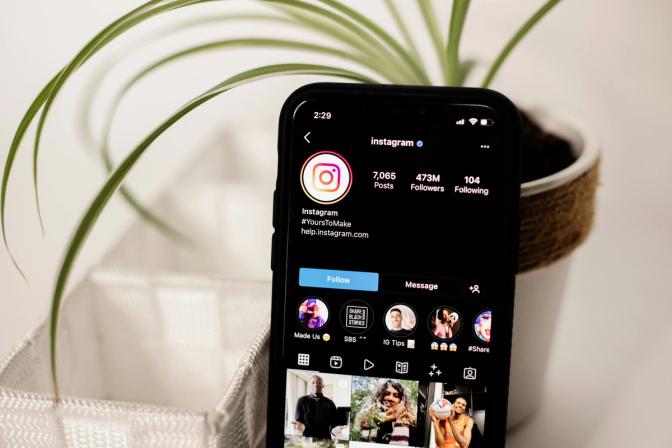
The Glamorous Lifestyle Is Facing Greater Scrutiny
For many people, influencing appears to be a dream career. Social media feeds are filled with luxury hotel stays, beach clubs, private villas, first-class flights, and tropical destinations. Places such as the Indonesian paradisiacal island of Bali have become synonymous with the influencer lifestyle, attracting creators eager to capture aspirational content against idyllic backdrops.
However, the reality behind the scenes is often far more complex. Successful influencers operate demanding businesses that require constant content production, community management, negotiations, reporting, editing, and travel. The pressure to remain visible and relevant can be intense.
At the same time, governments around the world are beginning to take a closer look at how creators operate. In fact, Bali has recently introduced stricter immigration enforcement targeting influencers and content creators. Authorities now view many forms of commercial content creation on tourist visas as unauthorised work, including sponsored content, brand collaborations, barter arrangements, and promotional shoots.


Combined with the UAE’s licensing framework, these developments signal a broader trend towards increased regulation and transparency. Influencer marketing is becoming a professional sector with clearer rules, higher standards, and greater accountability for creators, agencies, and brands alike.
Choosing the Right Influencer Matters
While influencers can deliver exceptional results, success depends heavily on selecting the right creator. Audience size alone should never be the deciding factor. Relevance, credibility, engagement quality, audience demographics, and brand alignment are often far more important.
A creator with a highly engaged niche audience may outperform a celebrity influencer with millions of followers if their community aligns closely with a brand’s target market. This is why influencer selection should always form part of a wider strategic approach that includes content creation, social media management, videography, photography, and long-term brand storytelling.
The Future of Influencer Marketing
Influencers may not have replaced billboards entirely, but they have certainly become one of the most influential forms of modern advertising. The combination of trust, authenticity, creativity, and direct audience engagement gives creators a unique position within today’s marketing landscape.
As regulations evolve and the industry becomes more professional, influencer marketing is likely to become even more valuable for brands willing to invest strategically. The opportunity is clear, giving brands the chance to build meaningful connections with audiences through trusted voices that genuinely resonate.
For businesses looking to navigate this rapidly evolving landscape, partnering with an experienced agency can help identify the right creators, ensure compliance, and build campaigns that deliver long-term impact. That’s where we step in, because in today’s digital world, the right influencer may be far more powerful than the biggest billboard on Sheikh Zayed Road and we’re here to Katch the right one for your brand.