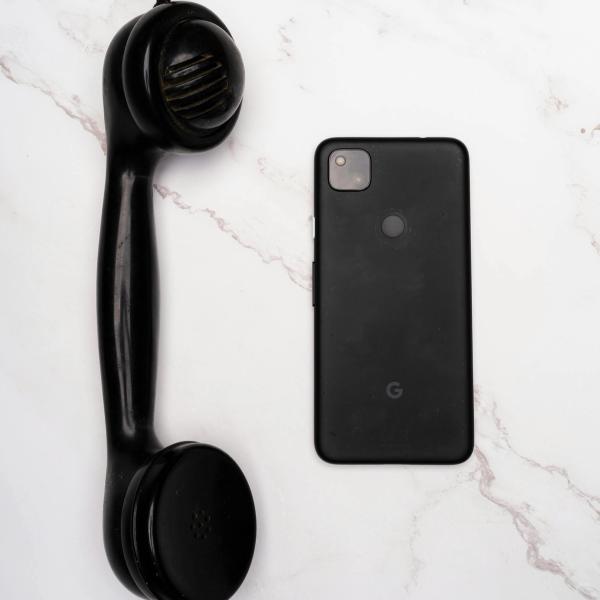
The humble wired earphone is back with a vengeance, and it could be telling us something much bigger about nostalgia, consumer habits, technology, and the growing appeal of keeping things simple
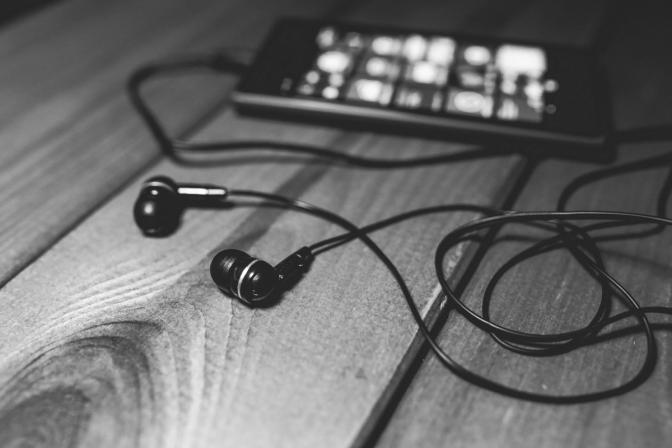
There was a time when seeing someone walking down the street with a white wire trailing from their ears was completely unremarkable. In fact, for those of us that grew up in the 90s (or earlier) it was actually so common place that the sight of someone untangling their earphones before plugging them into their walkman (or later, iPod) was a dime a dozen. We didn’t have the luxury of wireless. We were so used to the inevitable struggle of unknotting the kinks that had somehow formed into a vicegrip in the 30 seconds they were in your pocket.
Then, a quiet revolution started gaining momentum. Along came AirPods, Bluetooth headphones, Dr. Dre Beats, and the promise of a world without tangled cables. Wired earphones quickly became something you found at the bottom of an old drawer, alongside a forgotten iPod and a collection of charging cables for phones you no longer own.
Suddenly however, somehow, they are cool again. Walk through a city, scroll through social media or look at recent celebrity street-style shots and the wired earphone is everywhere. It is an amusing throwback, but perhaps it is also a sign of something bigger, a sign that nostalgia is having a serious moment.
The Wired Earphone Is Back
The return of wired earphones is not simply an internet joke, some quirky Reddit thread, or TikTok viral hoax claim. There is actual, undeniable evidence that people are buying them again. And not only a small minority, but it is happening in droves.
Circana reported that wired headphone sales in the US grew by 3% in 2025 after five consecutive years of decline, with sales accelerating by 10% in the second half of the year. SoundGuys reported an even sharper rise at the start of 2026, with wired headphone revenue up 20% in the first six weeks of the year. Suddenly, something that seemed to belong firmly in the 2000s has become a genuine consumer trend.
So why? One of the perhaps most obvious answers is price. Wireless headphones can be expensive, particularly when you start looking at premium models, while wired alternatives can cost a fraction of the price. The Guardian recently highlighted the difference between Apple’s £17 EarPods and £99 AirPods, while also noting that the wired option has become increasingly fashionable.
For consumers who are becoming more conscious about how much they spend on technology, paying significantly less for something that does exactly what they need can be difficult to argue with. There is also the practical appeal. Just plug them in and they work. No pairing, no charging case, no battery warning, and no frantic search for the one earbud that has somehow disappeared.
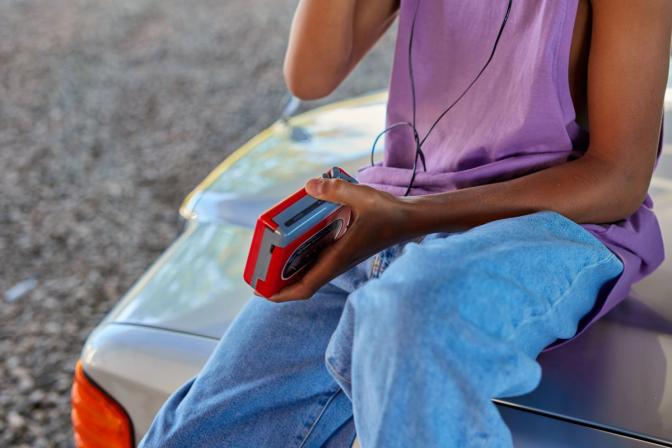
Then there is the nostalgia. As human beings, we love to reminisce, and wired earphones sit comfortably alongside another revival with the return of old-school music players and physical formats. CDs, cassette players, Walkmans, and vinyl have all found new audiences, particularly among younger consumers who never experienced them the first time around.
A new generation is also discovering the pleasure of actually owning an album, pressing play on a physical device or carrying something that has a purpose beyond another app on a smartphone. In Dubai, even long-standing shops selling VHS tapes, CDs, cassettes and Walkmans are reporting renewed interest in old formats. The technology may be old, but the desire for something tangible feels surprisingly current.

Welcome to the Nostalgia Revolution
Wired earphones are just one small part of a much larger nostalgia revolution. Film cameras and digital point-and-shoot cameras are back. Vinyl records have become mainstream again. Flip phones are appearing in the hands of people who have never known life without a smartphone. Cassette players are being redesigned for a new generation, while CDs are enjoying their own unexpected revival. Even the chunky, imperfect aesthetics of old technology are being recreated in products that contain very modern technology underneath.
What makes this particularly interesting is that nostalgia is no longer necessarily about returning to something people personally remember. For Gen Z, a cassette player or wired earphone may be nostalgic for a period they never actually lived through. They never saw the heyday, so it is borrowed nostalgia, an appreciation for the look, feel, and slower pace of an era experienced through films, music, social media, and older generations.
There is also something appealing about technology that does one thing well. A wired earphone plays music. A CD plays a record. A film camera takes photographs. In a world of notifications, subscriptions, upgrades, and constant connectivity, that simplicity can feel almost luxurious.

What Does This Mean for PR and Marketing?
For PR agencies and marketing agencies, this creates a fascinating opportunity. The wired earphone could become the starting point for a much bigger conversation about consumer culture. Brands could explore the idea of “less, but better”, asking whether we really need the latest version of everything or whether consumers are beginning to value products that last, cost less and simply do their job. A campaign built around the humble wired earphone could become a wider conversation about resisting unnecessary upgrades, choosing longevity over novelty, and questioning the assumption that newer automatically means better.
There is also a rich storytelling opportunity in the contrast between old and new. Imagine a campaign that asks consumers to compare the technology they once considered obsolete with the technology they now feel they cannot live without. A brand could allow people to share the old-school products they have brought back into their lives, create a social series around “things we stopped needing, then started missing” or build a PR campaign around the idea of a digital reset.
The story does not have to tell people to abandon modern technology. It can simply ask whether there is value in being more selective about what we buy. For brands, that can open a much more interesting conversation around conscious consumption, value, and longevity than another campaign telling people they need the newest product.

The Bigger Picture
That is perhaps why the wired earphone comeback is more interesting than it initially appears. It sits at the intersection of fashion, affordability, nostalgia, technology, and changing consumer attitudes. Some people are wearing them because they like the aesthetic. Others like the sound quality, the simplicity or the price. Some simply do not want another gadget to charge. There probably is not one universal reason, and that is precisely what makes the trend so interesting.
The nostalgia revolution also reminds marketers that progress does not always mean moving forward at maximum speed. Sometimes consumers want to go back, simplify, and rediscover things they were told had become obsolete.
The comeback of wired earphones may eventually fade, just as every trend does, but the thinking behind it could have much more staying power. In a world where consumers are constantly encouraged to upgrade, replace, and spend, perhaps the next big trend is simply deciding that what we already have is good enough.