What looks like a random side quest is in fact a strategic manoeuvre, as the top fashion houses look to remain the epitome of luxury even as their definition shifts
Luxury fashion has always carried an air of exclusivity and status, built on how difficult these items were to attain. Scarcity was what made them desirable, but the rise of convincing counterfeits, as well as the likes of Depop and Vinted, has made it harder to tell if someone truly belongs to this elite class based solely on their wardrobe. In recent times though we have seen a shift, with the strongest marker of status nowadays being lifestyle, measured by where a person eats, where they stay, and how they unwind.
This shift is already showing up in the data, with 70% of affluent consumers confirming they place greater value in experiences than material items, so much so that spending on experiences is now outpacing spending on luxury goods. By stepping into hospitality, the world’s top fashion houses are responding to the shift and protecting their position as a symbol of status. A night in their hotel or a trip to their spa has become the new equivalent of wearing their sunglasses or their branded scarf.
What’s In It For Them?
Now this begs the question, why? Luxury fashion remains a hugely lucrative market, even if it looks very different from the haute couture world these brands rose to fame in during the 20th century. So why take on the risk of entering an entirely unfamiliar industry?
Aside from the obvious diversification of revenue, repeated visits to a fashion house’s hotel, café, or spa build a deeper emotional connection between the brand and the consumer than a single product purchase can hope to achieve. Every stay, every gold-flaked latte, and every indulgent spa treatment becomes another memory tied to the brand, and that’s exactly what drives loyalty, with 60% of consumers claiming their favourite brands are linked to fond memories. Unlike a product, an experience can be revisited again and again, and satisfaction at one touchpoint encourages loyalty across every other part of the business, including makeup, fragrance, clothing, and interior decor.
Branching into hospitality also gives the fashion house a space to tell its story in ways a material item cannot. A hotel lobby can carry the original photography, fabric swatches, and design references that shaped a founder’s original vision, the same way La Suite Dior sits inside the maison’s original 30 Avenue Montaigne address, turning a stay into a lesson in the brand’s history. A guest who understands the house’s origins values its products far more than someone who only knows the logo.

Fashion Houses Making Their Mark in The Hospitality Industry
Leading this evolution into hospitality are renowned houses such as Bulgari, Armani, Versace, and Fendi, all blurring the lines between haute couture and luxury stays. Top fashion houses are now setting the table, answering room service calls, and running the spa, giving guests a whole new way to experience the name. Here are some of our favourite fashion hotels, and how they are changing the game.
Bulgari Hotel, London
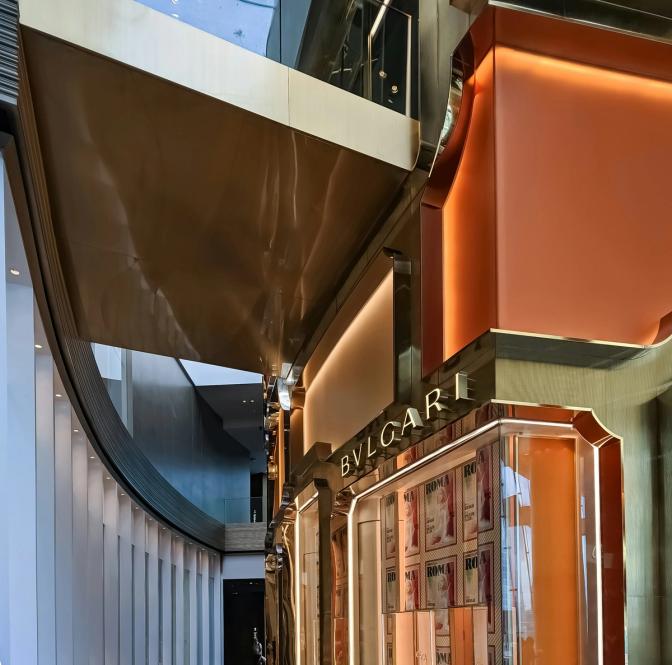
Opened in 2012, the Bulgari Hotel in London draws its visual language from the brand’s history in gem cutting, seen in the sharp lines and geometric detailing running through the lobby and guest rooms. Its spa is built around exclusive treatments using Bulgari’s own perfumery, mirroring the exclusivity of the brand itself.
Armani Hotel, Dubai
Launched in 2010 inside the Burj Khalifa, the Armani Hotel is the first property designed by Giorgio Armani himself. Every room carries his signature palette of taupe, grey, and black, furnished with pieces from the Armani/Casa collection and staff dressed in uniforms cut from his own designs. Staying at the hotel is like stepping into the designer’s personal aesthetic.
Versace Mansion, Miami
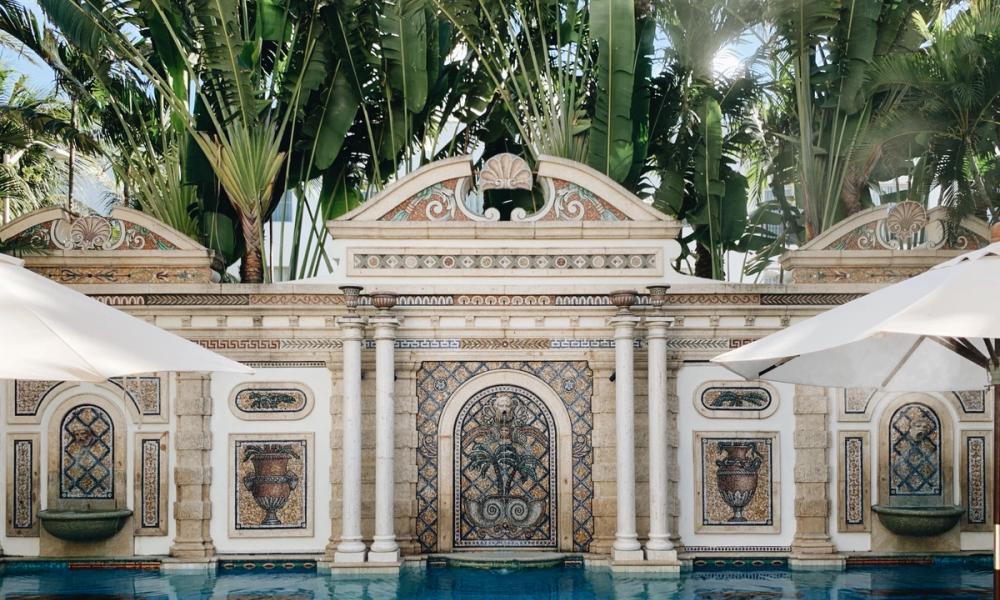
Unveiled in 2019, Villa Casa Casuarina was once Gianni Versace’s own home before its transformation into a boutique hotel. The property celebrates his signature baroque style, preserving the original gold mosaic pool bearing the Medusa emblem and interiors layered in iconic Versace prints.
Fendi Private Suites, Rome
Debuting in 2021, Fendi Private Suites sits above the brand’s flagship store in the heart of Rome, with a small number of suites furnished entirely by Fendi Casa. Each room carries the house’s signature FF motif and leather detailing, hand finished by the same ateliers behind its ready-to-wear collections.

Marketing for Luxury Hospitality Brands
Luxury fashion houses that move into hospitality start from a position most hotels spend years trying to reach, entering with an established reputation and a consumer base that already trusts the name implicitly. This gives them a head start on marketing before the doors even open, so most of their efforts can focus on building awareness rather than credibility. But spreading that awareness to the masses achieves little, it has to be channelled through the right people and publications, reaching a following with both the means and the desire to spend on such indulgence.
Influencer partnerships are highly effective for marketing luxury hospitality brands because they run on the same sales mechanism the luxury fashion industry has always relied on: aspiration. Followers who aspire to live more like the influencer in question see the hotel as a way into that life, even if only for a weekend. Staying at the property becomes less about the room itself and more about experiencing a small piece of the luxurious world the influencer represents.
Premium hospitality publications such as Condé Nast Traveller and Vogue Middle East offer another way into that same audience, but through a voice the brand does not control. This kind of third party validation from a prestigious title sends a clear message that this is a serious contender in the hospitality industry, not just a fashion house trying out a new venture. Connecting the brand with publications that can give the target audience that nod of reassurance is exactly where a well connected PR agency in Dubai proves its value.


A Legacy in Luxury, New to Hospitality
Now that material goods no longer signal luxury the way they once did, fashion’s biggest names have followed their consumers into another industry, a calculated move to hold onto their reputation as the epitome of luxury. The result is exquisitely styled interiors with tasteful branding, archive photography lining every hallway, and we can’t forget the delicate pastries that resemble tiny sculptures. They have the legacy and they have the reputation, it’s just a question of reaching the right audience.