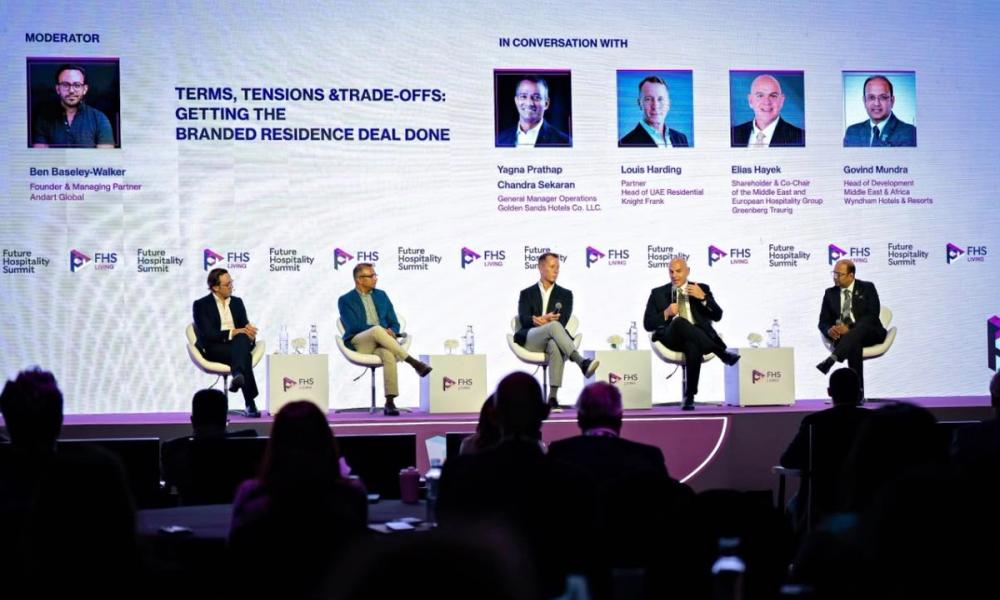
Held at Madinat Jumeirah from September 29th to October 1st, FHS World 2026 welcomed hospitality leaders, investors, developers, and operators to explore the forces shaping the sector
Throughout the week, discussions were centred on investment, flexible living, technology, community, and the growing role of wellness and longevity
Future Hospitality Summit (FHS) World 2026 wrapped up in Dubai this week, having hosted three days of conversations around one of the region’s most closely watched sectors. Held at Madinat Jumeirah from September 29th to October 1st, the summit welcomed around 1,000 delegates from 50 countries, with more than 170 speakers and over 200 investors representing more than USD 6 trillion in assets under management.
Under this year’s theme, Reinvest in Our Future, the programme looked beyond traditional hotel development to consider how investment, technology, changing consumer behaviour, and new approaches to living are reshaping hospitality. Sessions covered everything from hospitality investment and branded residences to technology, AI, wellness, medical tourism, sustainability, and innovation.
What is FHS World?
The Future Hospitality Summit is an investment-focused forum made for the people shaping the hospitality and tourism industry. Owners, operators, investors, developers, government representatives, consultants, and other sector leaders come together to discuss market trends, investment opportunities, and the issues influencing the future of hospitality.
For Dubai, the summit also provides a useful snapshot of where the wider Middle East market is heading. With major hospitality and real estate projects continuing across the region, FHS creates a space for the people behind these developments to discuss what is working, where the opportunities are emerging, and how the industry needs to adapt. Ahead of this year’s summit, HVS reported that the GCC and North Africa had around 200,000 hotel rooms in the development pipeline, representing an estimated USD 90 billion in investment.
FHS World 2026 looked beyond the hotel
This year’s conversations made it clear that hospitality is becoming a much broader proposition. Investment and asset performance remained central to the programme, but speakers also explored the changing relationship between hospitality, residential living, technology, community, and wellbeing.
Several themes stood out across the sessions, particularly the continued strength of the Middle East market, the changing expectations around owner-brand partnerships, the growth of flexible living models, and the opportunity presented by technology and longevity.
The Middle East still has the edge
The strength of the Middle East hospitality market was one of the clearest themes across FHS. The region continues to attract investment because of its connectivity, infrastructure, government support, safety, and ability to generate demand throughout the year.
For the UAE in particular, the conversation increasingly centres on the country as a platform for business, tourism and investment, while also being an enviable destination. Abhinav Prasad of First Abu Dhabi Bank highlighted the role of aviation infrastructure and the UAE’s constant flow of activity in supporting this position.

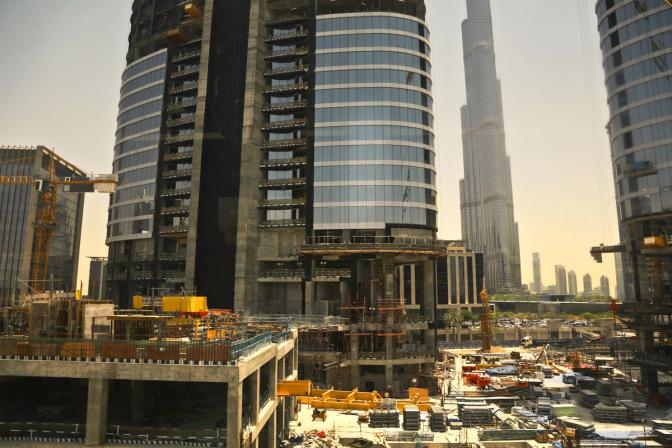
The scale of the opportunity was also reflected in figures shared during the summit, including an expectation that tourist arrivals could reach around 40 million by 2030. With the region also experiencing substantial hotel development, the message for investors was that demand remains strong, but the quality of the investment and operation will increasingly determine long-term performance.
Partnerships are becoming more important than the brand itself
Another recurring theme was the changing relationship between owners and hospitality brands. The days of simply putting a recognised name on an asset are giving way to more commercially focused partnerships, with owners looking for operators that can demonstrate tangible value.
During a panel moderated by Dinky Puri, Miltos Bosinas of H&H and other industry voices explored what owners now expect from their brand partners. Greater flexibility, transparency, and commercial alignment were key points of discussion, with owners looking for structures that better reflect the realities of individual assets.
It is a shift that could have a significant impact on the next generation of hospitality developments. Strong branding still matters, but the relationship behind that brand needs to work harder, with both sides sharing in the opportunities and taking a more active approach to the performance of the asset.
Flexible living is changing the hospitality proposition
One of the most interesting discussions at FHS was the growing overlap between hospitality, residential and mixed-use living. Consumers are becoming less interested in rigid categories and more interested in products and services that fit around the way they actually live.
In a session on new living models, His Excellency Dr Targon Hindi explored the relationship between physical assets and digital platforms, highlighting the potential of consumer data to provide a deeper understanding of how people use spaces and services.
The discussion also touched on the growth of serviced apartments, branded residences, co-living, and hybrid hospitality concepts. The underlying shift is straightforward, as people increasingly expect flexibility, with accommodation and services capable of adapting to different lengths of stay and changing lifestyles.
Community is becoming part of the luxury proposition
Perhaps one of the biggest changes discussed at FHS was the evolving definition of luxury. The focus is moving beyond physical finishes and formal service towards experiences that create a stronger sense of connection and belonging.
Miltos Bosinas of H&H discussed this through the lens of the company’s Eden House concept, where the emphasis is on creating more personal and human environments. The appeal is less about being formally looked after and more about feeling comfortable within a community.
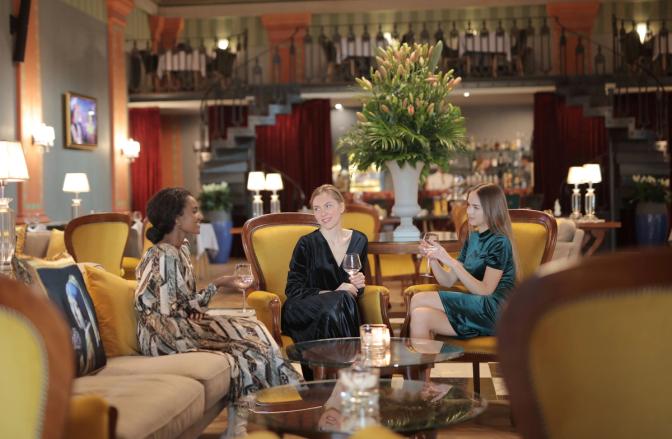
A similar idea came through in the discussion with Adeline from Ascott, which explored how public spaces can be designed to encourage interaction while also making better commercial use of an asset. As hospitality becomes increasingly experience-led, community is emerging as something that can shape both the guest experience and the economics of a property.

Technology needs to make life simpler
Technology and AI were also high on the agenda, but the discussion was less about adding technology for its own sake and more about how it can solve real problems.
His Excellency Dr Targon Hindi described AI as an efficiency multiplier and a source of valuable insight, while emphasising the importance of making technology useful and intuitive for the end user. That distinction is particularly relevant to hospitality, where technology needs to improve the experience without making it feel more complicated.
The same thinking applies to data. As hospitality becomes increasingly connected to digital platforms, operators have access to more information about their customers than ever before. The opportunity now lies in turning that information into better decisions, more relevant experiences, and more efficient operations.
Longevity could be hospitality's next big opportunity
The conversation around wellness also went considerably deeper than traditional spa and fitness offerings. Christopher Sanderson of The Future Laboratory highlighted the growing consumer interest in longevity and preventative health, pointing to a market that is becoming increasingly measurable and data-led.
Among the figures shared during the session, Google searches for longevity were said to have tripled in the past year, while 61% of consumers surveyed reportedly said they would choose a full-body preventative scan over a luxury spa day. Sanderson also highlighted UBS forecasts placing longevity among major transformational opportunities, with global annual sales potentially reaching £5.9 trillion by 2030.
The implications for hospitality are significant. Hotels and resorts have traditionally been associated with rest, relaxation, and indulgence, but the emerging longevity market opens up a much broader role for hospitality. Preventative health, diagnostics, personalised wellness, and long-term wellbeing could increasingly become part of the reason people choose where they stay.

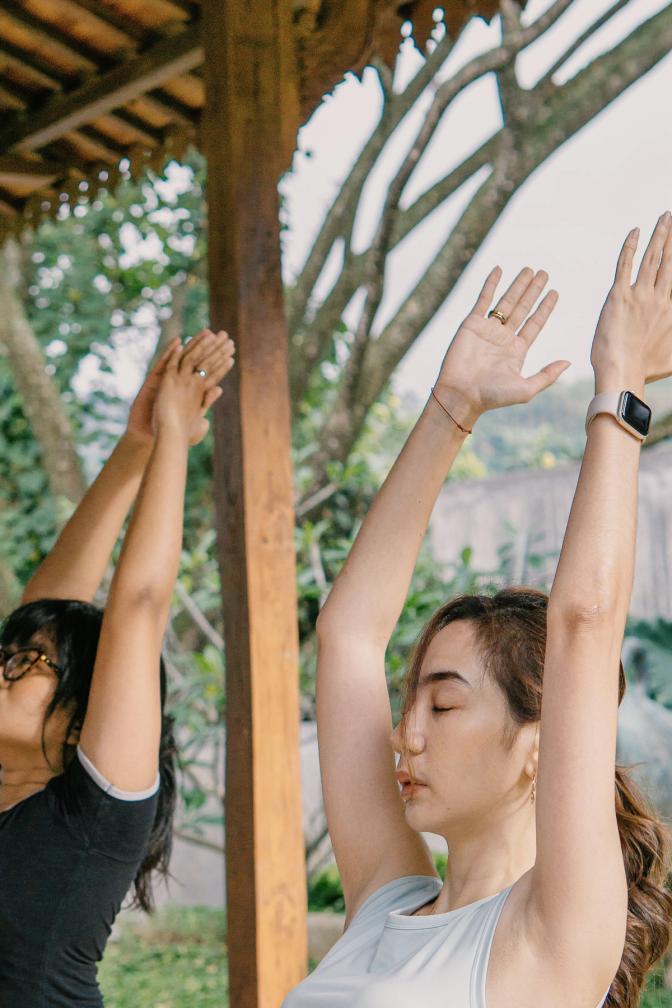
The session also pointed to changing traveller behaviour, including the significant role women play in solo travel, the greater emphasis Gen Z places on beauty and skincare when travelling, and the influence of communities on brand discovery. Together, these trends suggest that the future of wellness hospitality will need to be more personal, measurable, and connected to everyday life.
What comes next for hospitality?
If there was one overarching message from FHS World 2026, it was that hospitality is becoming more specialised, more data-led, and more closely connected to the wider living experience.
The fundamentals still matter. Investors need resilient assets, owners need strong economics, and operators need to deliver experiences that give people a reason to return. But the definition of a successful hospitality project is becoming broader. It may be a hotel, a residence, a serviced apartment, a wellness destination or a combination of several models.
The Middle East is well positioned for this next phase, but the market is becoming more sophisticated. As the region continues to attract investment and new developments, the focus will increasingly fall on understanding real demand, building the right partnerships, and creating places that remain relevant as consumer expectations change.
The future of hospitality is about more than hotels
FHS World 2026 offered a useful reminder that hospitality does not exist in isolation. It sits at the intersection of real estate, tourism, technology, wellness, investment, and the way people choose to live.
For Dubai and the wider Middle East, that creates plenty of opportunity, but also raises the standard for what comes next. The projects that stand out will need to understand their audiences, operate intelligently, and create experiences that have genuine relevance.
If this year’s FHS discussions are anything to go by, the future of hospitality will be shaped not only by where people stay, but by how they live, connect, invest, work, and look after themselves. And that makes the next chapter of the sector particularly interesting for a market like Dubai.