The 2025/26 Premier League season has officially come to an end, with Arsenal lifting the trophy when Manchester City drew away to Bournemouth, as another unforgettable campaign packed with drama, storylines, heartbreak, and history-making moments wraps up
Since its launch in 1992, the Premier League has evolved into something that no one could ever have envisioned. Originally it was seen as a breakaway league designed to modernise English football, but it has since transformed into one of the biggest entertainment products on the planet. Today, it is broadcast in hundreds of territories across the globe, watched by billions of people every season, and followed religiously by fans spanning every continent. Football may remain at its core, but the Premier League has become a worldwide cultural event that extends well beyond the pitch.
The Premier League’s Formative Years
The formation of the Premier League changed football forever. A group of England’s top clubs threw off the shackles, breaking away from the old First Division in pursuit of greater commercial opportunities, larger broadcasting deals, and a product that could compete on a global stage.
Now, more than three decades later, the numbers are truly staggering. International broadcasting rights are now worth billions, global sponsorship deals continue to grow, and clubs have become multinational brands in their own right. The league has mastered the art of spectacle, combining elite football with world-class production, storytelling, and marketing that keeps supporters engaged year-round.

Feats of Brilliance
Throughout its history, the Premier League has delivered moments that have become permanently embedded in sporting culture. Perhaps none greater than Leicester City achieving the impossible by winning the 2015/16 title against outrageous 5000/1 odds. A club that had narrowly avoided relegation the previous season somehow conquered English football through enduring belief, tactical brilliance, and one of the most iconic underdog stories sport has ever seen. The irony today is striking. Less than a decade after lifting the Premier League trophy, Leicester have now fallen into League One, highlighting just how unforgiving modern football can be.
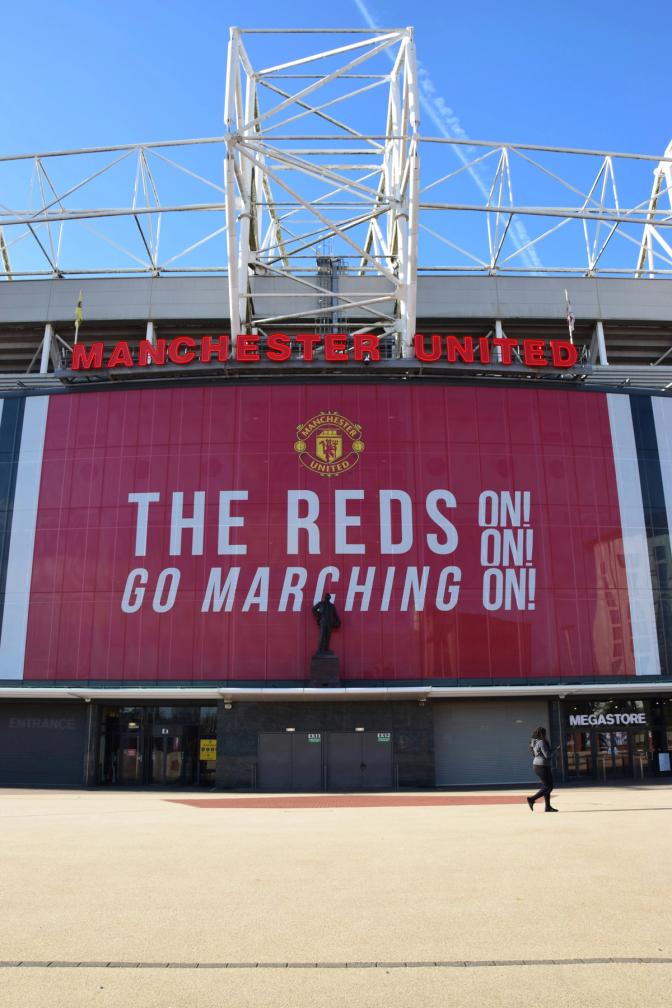
Then there was the dominance of Manchester United under arguably the greatest manager the game has ever seen, Sir Alex Ferguson, a period that helped turn the Premier League into a worldwide obsession. United became one of the most recognisable sporting institutions on earth, attracting supporters in every corner of the globe. The league also became home to some of the greatest players the sport has ever seen, including Thierry Henry, Cristiano Ronaldo, Steven Gerrard, Didier Drogba, Mohamed Salah, and Kevin De Bruyne. These players transcended the mere idea of football, becoming global celebrities whose influence stretches across fashion, entertainment, gaming, and advertising.
How This Year’s League Shaped Up
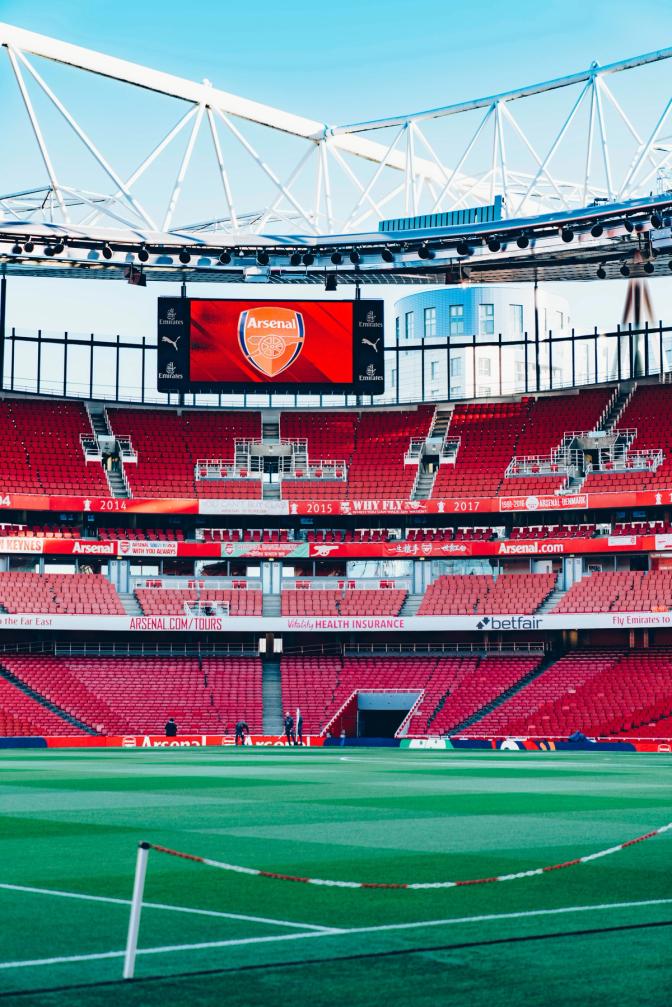
After over two decades of waiting, Arsenal have finally reclaimed the Premier League title for the first time since the legendary 2003/04 “Invincibles” season, ending one of the longest title droughts in the club’s modern history. Far from straightforward, they were locked in yet another gripping battle with Manchester City throughout, leading the race for much of the campaign but coming dangerously close to letting it slip on several occasions. What ultimately separated them was their remarkable defensive resilience, with one of the league’s most organised and disciplined back lines providing the platform for success throughout the season.
Now, with Arsenal back at the summit of English football and their global profile stronger than ever, brands and sponsors will undoubtedly be lining up to associate themselves with one of the sport’s most marketable institutions. Success on the pitch has always translated into commercial power off it, and Arsenal’s return to the top instantly makes them an even more attractive proposition for global partners eager to tap into their enormous international fanbase.
The league also threw up some other noteworthy occurrences, with Bruno Fernandes making Premier League history for the most assists in a single season after reaching 21, breaking the long-standing record previously shared by Thierry Henry and Kevin De Bruyne. The assist capped off an exceptional campaign for Fernandes, who finished the season with eight goals and the title of Premier League Player of the Season.
In addition to new records being set, the campaign also marked the end of an era for some of the league’s most iconic figures. After nine extraordinary years at Liverpool, Mo Salah waved goodbye to his time with the Reds with a 1-1 draw against Brentford. At his peak, the ‘Egyptian King’ was almost untouchable, delivering a staggering 58 combined goals and assists in his debut season and averaging a direct goal involvement every 71 minutes. Salah and fellow departing hero Andy Robertson were met with a guard of honour at the end of their final match, with results that secured Champions League qualification for 2026-27.

The final day of the Premier League season was equally emotional for Manchester City, as fans said goodbye to Pep Guardiola, the man who helped shape the club’s most successful era. While his final match ended in a 2-1 defeat to Aston Villa, the result felt almost irrelevant given everything he had achieved during his 10 years with the club. The Spaniard was widely regarded as one of the best managers in football history, leading City to six Premier League titles, a Champions League trophy, and three FA Cups.
Emotions were high, but so were the stakes. As broadcasting revenues and sponsorship deals continue to grow, the financial rewards of remaining in the Premier League have never been greater, prompting clubs to splash out in pursuit of success. Chelsea were perhaps the clearest example that money cannot buy results, investing close to £285 million on new signings, including Alejandro Garnacho, only to finish the season with a disappointing defeat to Sunderland that ended their hopes of European football.
Elsewhere, there were a few stories that reminded fans why football remains so unpredictable. Manchester United finally started to look like Manchester United again under Michael Carrick, with the former midfielder breathing new life into the squad after stepping in midway through the season. Brentford also continued to punch above its weight this season, led by manager Keith Andrews, captain Nathan Collins, and goalkeeper Caoimhin Kelleher.

A Final Day Worthy of Memory
Although Arsenal had already wrapped up the title before the final round of fixtures, there was still plenty left to play for on May 24th. Manchester City, Manchester United, and Aston Villa had also secured their places among the league’s top five ahead of the final day, with Villa capping off an outstanding campaign by sealing fourth spot through both their league finish and Europa League triumph. Yet elsewhere, the final Champions League place and European spots were still up for grabs, leaving fans on the edge of their seats as they anxiously awaited the final results.
As we mentioned earlier, Liverpool successfully held on to fifth place during Mo Salah’s final game, qualifying them for next season’s UEFA Champions League. Further down the table, Bournemouth secured a place in the Europa League for the first time after a draw against Nottingham Forest, while Sunderland’s dramatic victory over Chelsea saw the Black Cats climb into the Europa League qualifying rounds. Brighton also managed to hold on to eighth place and secure a spot in the UEFA Conference League despite suffering a heavy defeat to Manchester United. Meanwhile, Brentford narrowly missed out on European football altogether, with their draw against Liverpool proving not quite enough despite playing well this season.
However, one of the most dramatic storylines unfolded at the bottom of the table, where the battle to avoid relegation went right down to the wire. West Ham did everything they could on the final day, beating Leeds 3-0 at home, but their fate had already been decided. Tottenham Hotspur knew a win would guarantee their survival, and a first-half strike by Joao Palhinha proved enough to secure their Premier League status by just two points. While Spurs lived to fight another day under new manager Roberto De Zerbi, West Ham will start the next season in the Championship alongside Burnley and Wolves.
For the Hammers, relegation represents a huge financial blow. Dropping out of the Premier League means a huge decline in broadcasting income, reduced commercial opportunities, and less attractive sponsorship deals, all of which can have a significant impact on a club’s finances. It often forces teams to rethink their spending, trim wage bills, and potentially part ways with key players.


Is Football a Marketing Masterstroke?
One of the most fascinating aspects of the Premier League is how it has become a marketing dream for global brands. Sponsoring a top-flight football club extends beyond England, giving a brand instant exposure across Europe, Asia, the Middle East, Africa, North America, and beyond. Every shirt sponsor, sleeve partner, stadium advertisement, and social media campaign is amplified on a truly global scale. Football shirts themselves have become moving billboards viewed by millions every single weekend.
The examples are endless. Emirates’ long-standing partnership with Arsenal, the longest-running shirt sponsorship deal in Premier League history, has helped cement the airline as one of the most recognisable aviation brands in the world. Etihad Airways’ relationship with Manchester City has become synonymous with the club’s rise into a global powerhouse. Meanwhile, Snapdragon appearing on the shirts of Manchester United instantly places the brand in front of enormous international audiences. These partnerships are about cultural relevance, audience association, and becoming part of the conversation every single week.

Welcome to Wrexham
Football’s cultural pull has become so powerful that it now even attracts major Hollywood names and international celebrities. Few examples demonstrate this better than Wrexham A.F.C. and its remarkable rise under the ownership of Ryan Reynolds and Rob McElhenney. What began as an ambitious project rapidly turned into a worldwide phenomenon, fuelled by documentary storytelling, social media attention, and genuine emotional investment from fans across the globe. Rising from the National League to the Championship via three automatic promotions in a row, although Wrexham narrowly missed out on the Championship playoffs this season, their growth has shown how football clubs can now become entertainment brands with audiences far beyond their local communities.
The World Cup
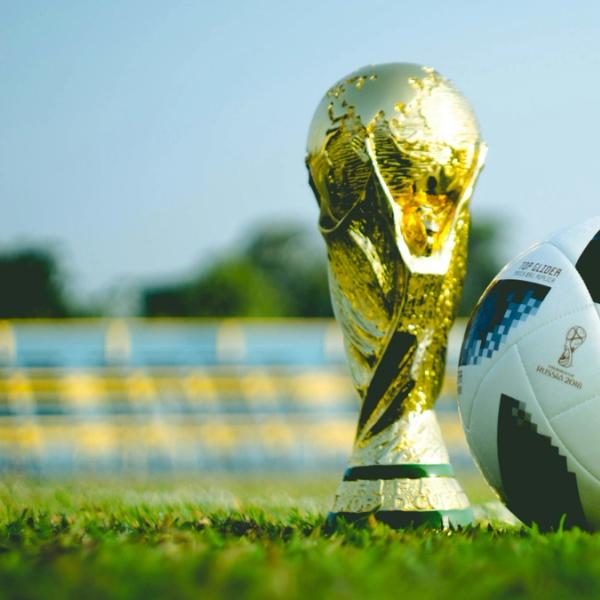
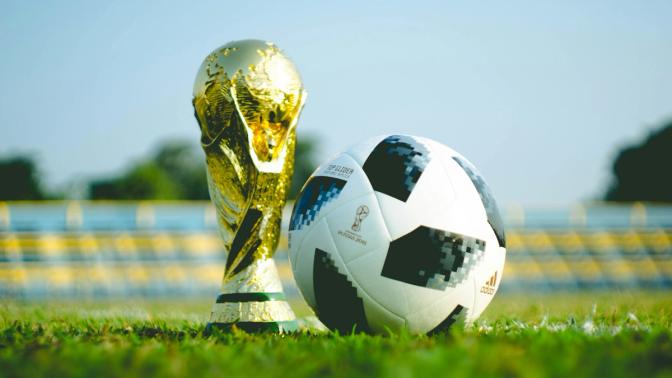
Attention is already beginning to shift, and all eyes are now fixed on the next major global football spectacle, the 2026 FIFA World Cup, taking place across the United States, Mexico, and Canada. Expectations are enormous, not only because of the football itself, but because of the scale of entertainment surrounding it. Discussions around potential halftime shows, celebrity appearances, immersive fan experiences, and record-breaking commercial deals already demonstrate how modern football events are evolving into entertainment spectacles that rival the world’s biggest concerts and award ceremonies.
At the same time, the commercial side of football continues to spark debate. Ticket prices for major matches and tournaments have soared to astonishing levels, hospitality experiences have become luxury status symbols, and football clubs increasingly operate like media companies as much as sporting institutions. The game has changed dramatically over the past three decades. It is no longer solely about the ninety minutes on the pitch. It is about storytelling, content creation, sponsorship integration, fan engagement, celebrity culture, and creating an experience that captures attention far beyond traditional supporters.

As another Premier League season draws to a close, one thing is for sure, football is now one of the most powerful marketing ecosystems in the world. The billion-pound broadcasting deals, international sponsorships, celebrity ownership groups, and global fan communities have seen the game evolve at incredible speed. Sport is constantly changing, but football remains front and centre of that evolution, setting the benchmark for entertainment, branding, and global cultural influence.